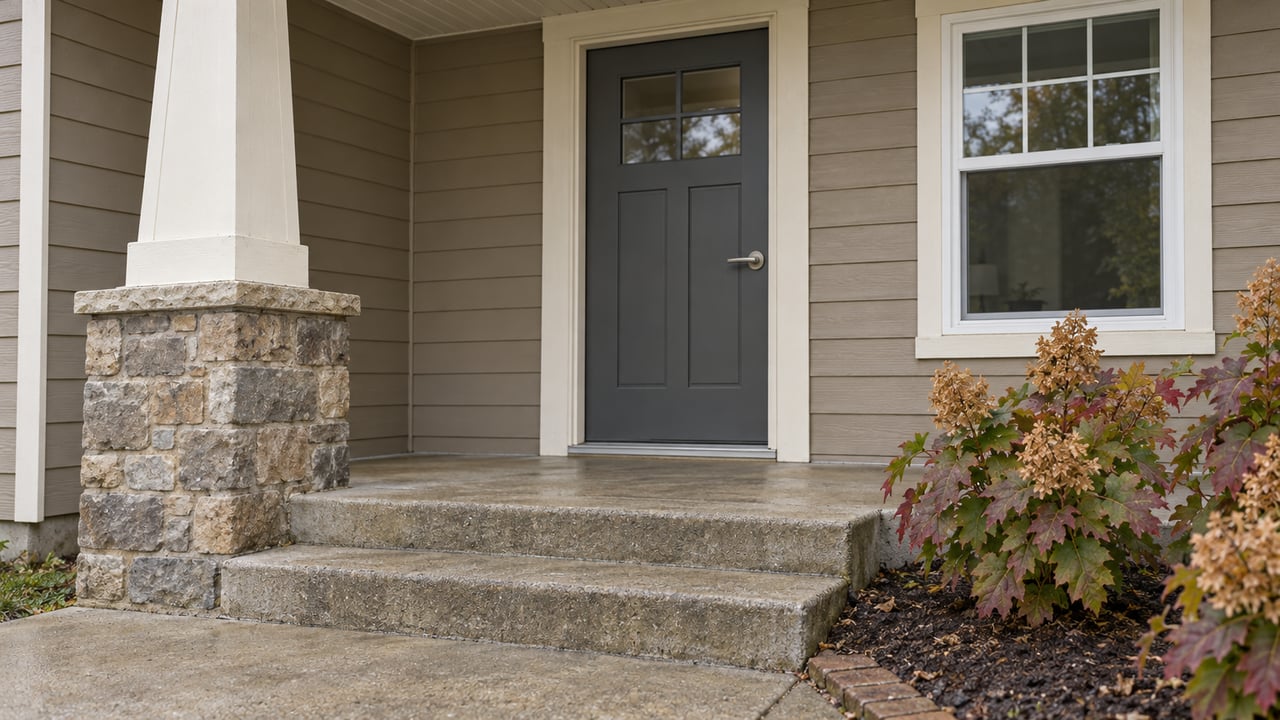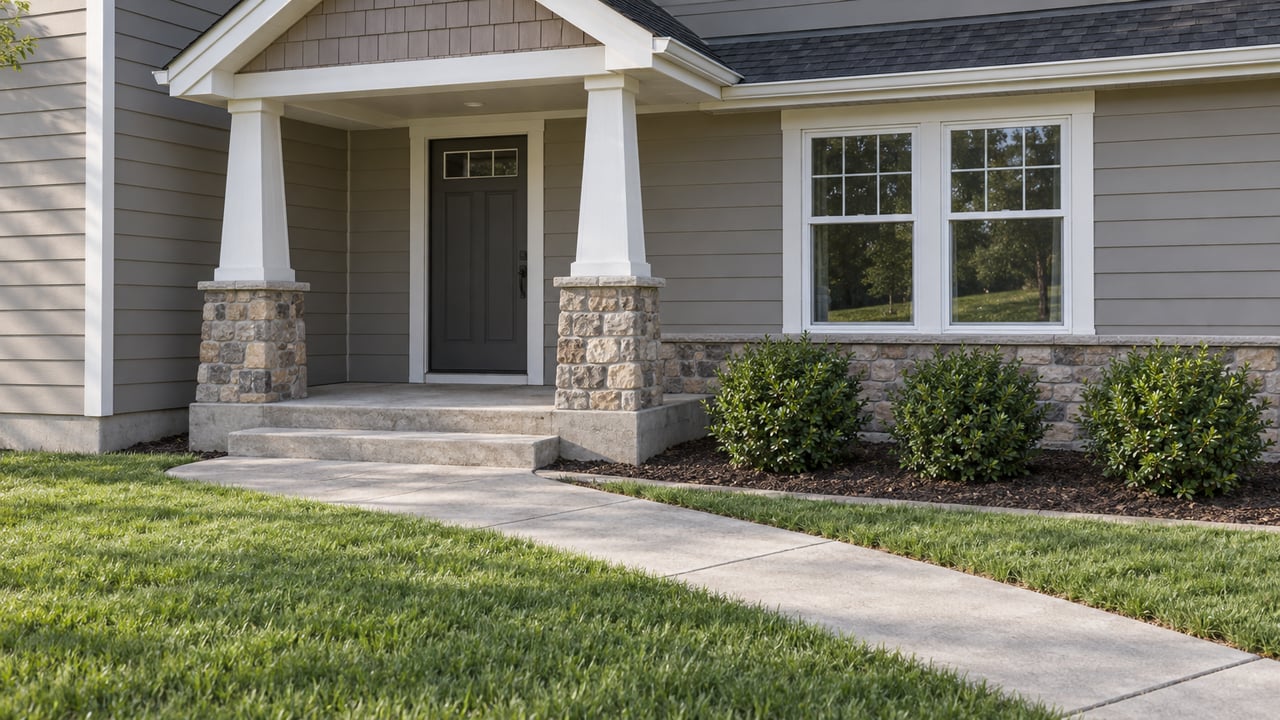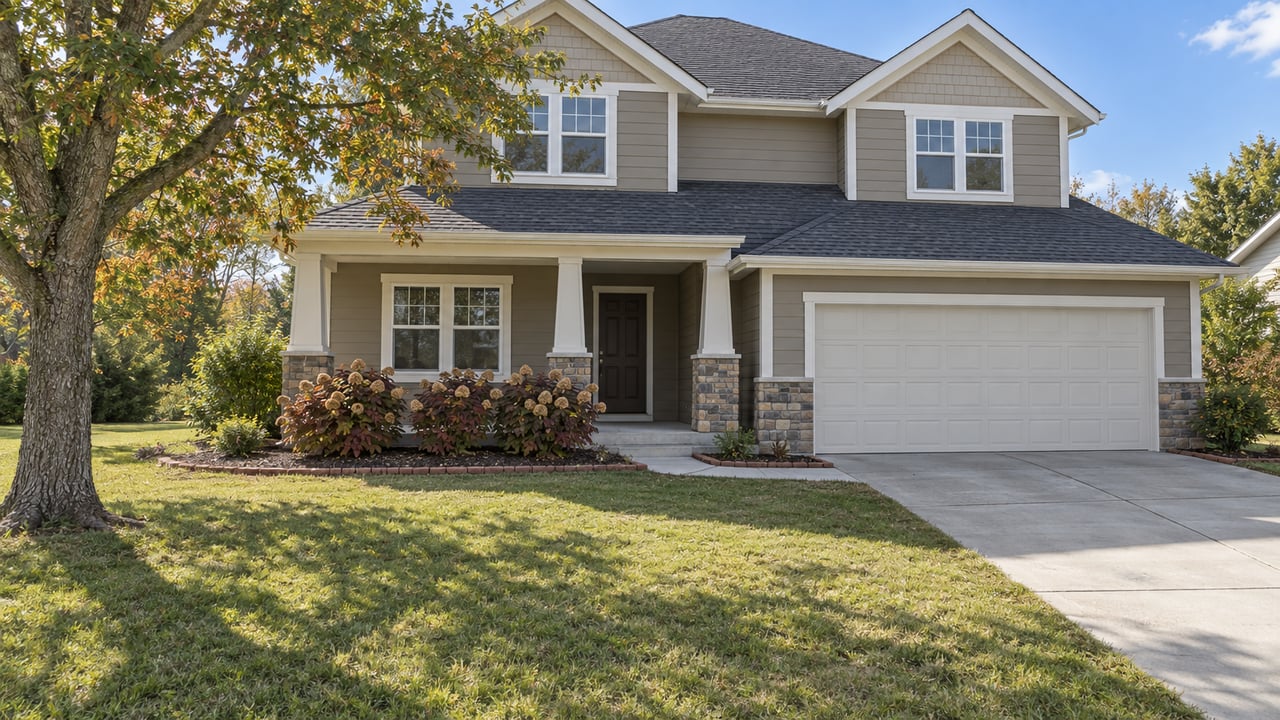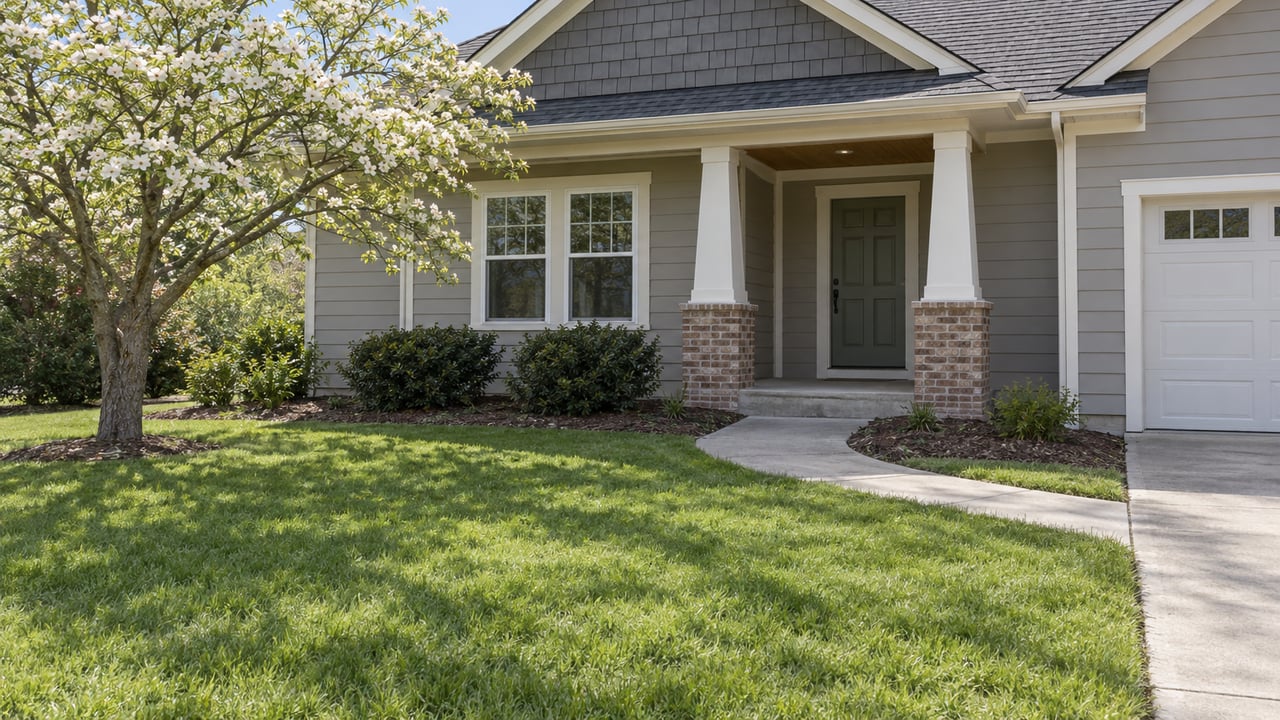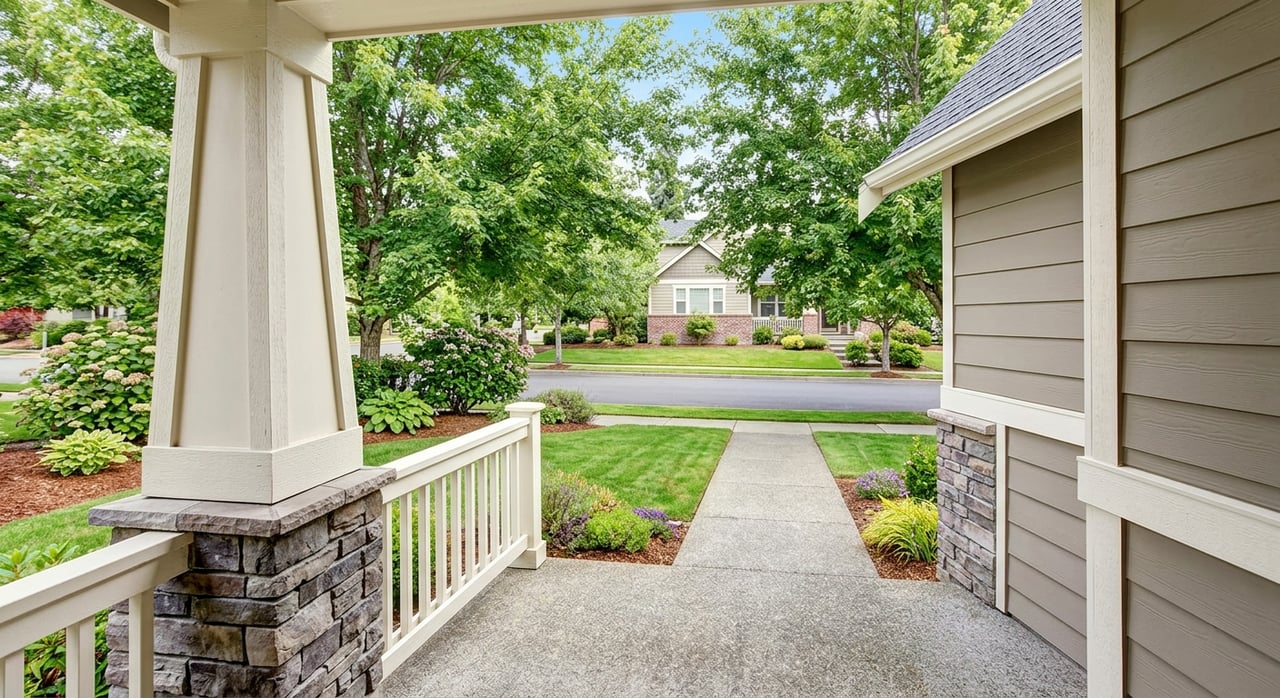
If you are trying to picture daily life in Greenville, SC, the answer is not just about one zip code or one style of home. Greenville neighborhoods can feel very different from one another, especially in the city’s established areas where historic districts, parks, downtown access, and block-by-block character all shape your routine. If you want to understand what it is actually like to live in Greenville SC neighborhoods, this guide will help you think through lifestyle, commute, outdoor access, and the details that matter most before you buy. Let’s dive in.
Greenville neighborhoods feel distinct
One of the first things you notice about Greenville is that its city neighborhoods are not all built around the same pattern. The city describes its neighborhoods through distinct districts, including historic areas such as Colonel Elias Earle, East Park Avenue, Hampton-Pinckney, Heritage, Overbrook, Pettigru, and West End.
That matters because living in Greenville often means choosing between different daily rhythms, not just comparing square footage. In many established in-town areas, you may feel more connected to downtown activity, parks, and nearby local destinations than you would in a more outer-ring setting.
The city also highlights active neighborhood associations and neighborhood-based programs. For many buyers, that signals a level of civic involvement and local attention that can shape how a neighborhood feels over time.
Established areas offer a lived-in feel
If you are drawn to established Greenville neighborhoods, you may like the sense of character that comes with them. Historic districts and older in-town areas often appeal to buyers who want a setting that feels rooted, with mature trees, recognizable district identity, and a closer relationship to the city core.
Greenville also treats neighborhoods as an ongoing priority through programs tied to safety, sidewalks, traffic management, tree planting, and homeowner rehabilitation assistance. That does not mean every block feels the same, but it does show that the city is actively investing in neighborhood upkeep and improvement.
From a home search standpoint, this is where a detailed, street-level approach matters. A neighborhood can have a strong overall reputation or identity, while the feel of one section may still differ from the next.
Parks shape everyday life
Outdoor access is one of the biggest lifestyle advantages in Greenville. The city lists parks such as Falls Park, Cleveland Park, Unity Park, McPherson Park, North Main Rotary Park, and Timmons Park among its park options, giving residents several ways to build outdoor time into an average week.
For some buyers, that means morning walks, evening bike rides, or having green space nearby for a quick break from the day. For others, it means choosing a neighborhood based on whether park access feels built into the routine instead of being an occasional destination.
The Swamp Rabbit Trail Network is especially important to how many people experience Greenville. The city describes it as a 28-mile multi-use greenway that follows the Reedy River and an old railroad corridor while connecting Travelers Rest to Greenville through city parks.
Falls Park connects city living
Falls Park plays a major role in how people imagine life in Greenville. The city describes it as part of downtown’s transformation, with trails and gardens that connect to Main Street shops, restaurants, and craft-beer pubs.
That creates a lifestyle that feels less separated than in many car-only communities. Depending on where you live, a weekend might include trail time, coffee, dinner downtown, or a quick stop in the park, all within the same part of town.
If that mix sounds appealing, Greenville’s in-town neighborhoods may stand out to you. They often attract buyers who want more than a purely residential routine and like the idea of blending home life with public spaces and city activity.
Expect a mostly car-oriented commute
Even with strong parks and downtown connections, Greenville still leans car-oriented for daily transportation. The city notes access to I-85, I-185, and I-385, which helps explain why many residents move around the area by car.
At the same time, Greenville does offer more than one transportation option. Greenlink provides 12 fixed routes across Greenville County, ADA paratransit, and downtown trolley service.
For many households, the practical takeaway is balance. You may enjoy trail access, nearby parks, or downtown destinations, while still relying on driving for work, errands, or school logistics.
Census QuickFacts lists the city’s mean travel time to work at 19.0 minutes. That relatively short average commute helps many buyers feel comfortable choosing a neighborhood based on lifestyle priorities as well as drive time.
Airport access adds convenience
For people who travel for work, host out-of-town family, or simply want easier regional access, Greenville has another practical advantage. The city says Greenville-Spartanburg International Airport is about 20 minutes from downtown.
That may not affect your daily life every week, but it can make a noticeable difference over time. Easy airport access can be a meaningful factor when you are comparing Greenville with other markets in the Upstate.
School planning is address-specific
If schools are part of your home search, Greenville County Schools makes one thing very clear: assignment is based on home address. The district says it serves more than 77,000 students and is the largest public school system in South Carolina.
It is also a choice district, with about 14% of students attending on choice. Families may also have access to change-in-assignment requests, magnet academies, IB programming, career centers, virtual school, and the Fine Arts Center.
That means your neighborhood search should include more than a quick look at a map. In Greenville, school fit can depend on address, available programs, and your household’s priorities, so it is smart to evaluate all three together.
Weekends can stay close to home
One reason Greenville neighborhoods are so appealing is that weekend plans do not always require a long drive or a lot of planning. The city promotes downtown Greenville for local shops and award-winning restaurants, and also highlights a craft food and beverage scene.
Visit Greenville describes the TD Saturday Market as running from May through October with more than 75 vendors. The city’s farmers-market listings also point to both seasonal and year-round options.
For buyers trying to imagine real daily life, that matters. A neighborhood can feel more livable when your routine includes simple options like a market visit, a walk in the park, or dinner downtown without turning the whole day into a production.
Events create a shared city rhythm
Greenville also has a steady calendar of public events that shapes neighborhood life. The city calendar includes Artisphere, Fall for Greenville, Greenville Heritage Main Street Fridays, Greenville Jazz Fest, Moonlight Movies, Juneteenth, the Poinsettia Christmas Parade, Ice on Main, and Clemson MBA Fireworks at Unity Park.
That kind of event schedule can make the city feel active and connected throughout the year. For many residents, neighborhood life is not limited to what happens on their street. It also includes the nearby public spaces, seasonal events, and downtown gatherings that become part of the local rhythm.
If you enjoy the idea of living somewhere with recurring community activity, Greenville offers that in a very tangible way. Many of the city’s established neighborhoods give you access to both residential comfort and shared public life.
How to choose the right fit
Because Greenville neighborhoods can change character block by block, it helps to think in terms of lifestyle instead of labels alone. A home that looks perfect on paper may feel less convenient if it does not align with your commute, school preferences, or how often you want to use parks and downtown amenities.
As you compare areas, focus on a few practical questions:
- How close do you want to be to downtown Greenville?
- Would nearby park or trail access change your weekly routine?
- How much driving are you comfortable with each day?
- Do you need to verify a specific school assignment by address?
- Are you looking for established character, easier access to city events, or both?
This is also where a thoughtful home search can make a big difference. When you look beyond price and bedroom count, you can start to see which neighborhood truly supports the way you want to live.
Greenville lifestyle in one view
At a high level, Greenville’s established neighborhoods tend to suit buyers who want a mix of historic character, park access, downtown connection, and an active community calendar. At the same time, driving is still a practical part of daily life for many residents.
That combination is part of what makes Greenville so appealing. You can often enjoy green space, markets, dining, and events close to home while still benefiting from a manageable commute and regional access.
If you are buying in Greenville, the best neighborhood for you is usually the one that brings your priorities together in one place. That may mean trail access, a shorter drive, a specific district feel, or simply a home base that makes everyday life easier and more enjoyable.
When you are ready to compare Greenville neighborhoods with a local, design-aware perspective, Jeff Brockelman can help you narrow down the areas that fit your lifestyle and goals.
FAQs
What is it like to live in Greenville SC neighborhoods near downtown?
- Living near downtown Greenville can mean easier access to parks, trails, restaurants, shops, and city events, though the feel and walkability can still vary by block.
Are Greenville SC neighborhoods walkable?
- Some in-town Greenville neighborhoods have stronger connections to downtown, parks, and trails, but Greenville still tends to be car-oriented overall for many daily needs.
How important is the Swamp Rabbit Trail in Greenville SC?
- The Swamp Rabbit Trail is a major lifestyle feature in Greenville because it is a 28-mile multi-use greenway connecting Travelers Rest to Greenville through city parks.
How do school assignments work in Greenville SC neighborhoods?
- Greenville County Schools assigns students by home address, and families may also consider choice options, magnet academies, and other specialized programs.
What kinds of weekend activities are common in Greenville SC?
- Many residents enjoy park visits, trail time, downtown dining, farmers markets, and city events such as Artisphere, Fall for Greenville, and Main Street Fridays.