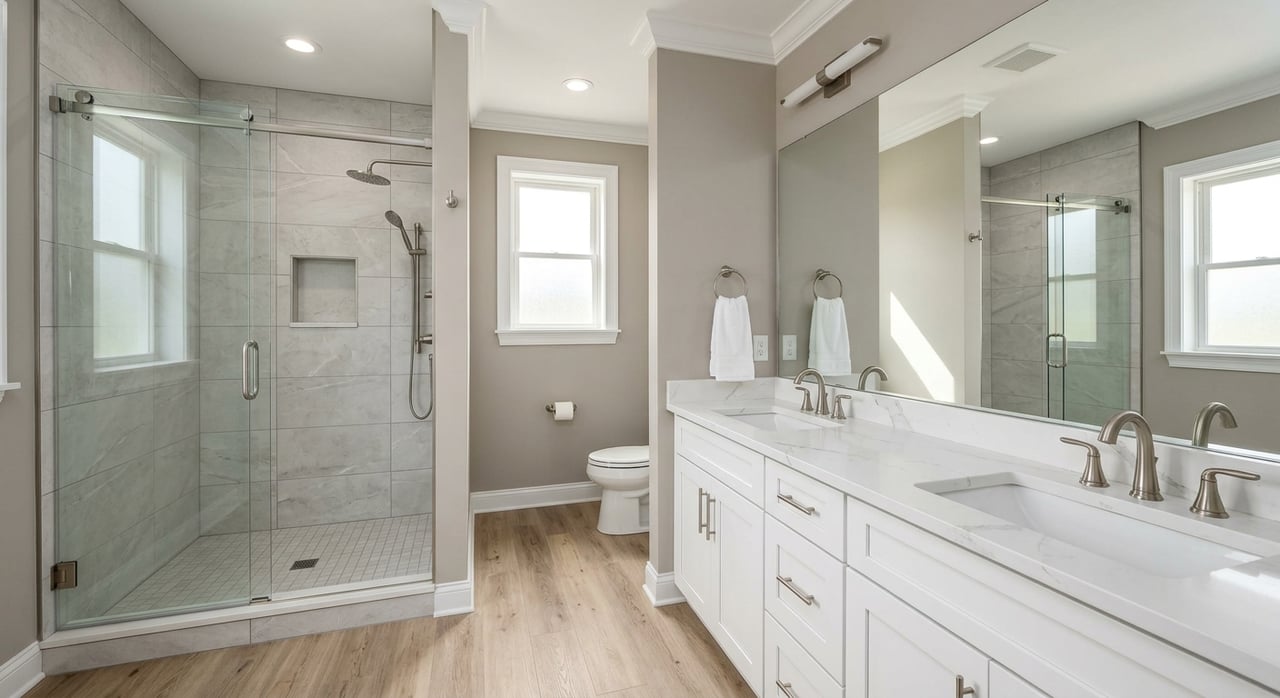
Buying a brand-new home in Greer can feel like the best of both worlds: fresh finishes, modern systems, and the chance to shape a home around how you actually live. But new construction is not always as simple as picking a floor plan and waiting for move-in day. If you want fewer surprises and better decisions, it helps to understand how Greer’s local process, builder contracts, inspections, and design choices can affect your timeline and your budget. Let’s dive in.
Greer new construction works on a local timeline
Greer is growing quickly, and the city spans both Greenville and Spartanburg counties. That matters because the rules around permitting, utilities, and even addressing can vary depending on where the property sits.
If you are buying a home that is already under contract with a builder, it is easy to assume the closing date is fixed. In reality, a home can be sold before it is fully ready for permitting, construction, or closing. In Greer, the sales timeline and the build timeline are often two different things.
The City of Greer requires permits before work begins, and the contractor is responsible for obtaining them. The city also reviews details like contract amount, floodplain location, road frontage, and nearby structures as part of approval.
For homes in Greenville County, all permits must be submitted through eTRAKiT, and the county says permit issuance is currently taking about four to five weeks. Greenville County also requires a paid Greenville Water receipt for all new construction within the county, which adds another step that can affect timing.
Why this matters to you
If you are planning around a lease ending, a school calendar, a job relocation, or the sale of your current home, build in extra cushion. A new-construction closing date may move because of permit processing, utility paperwork, inspections, or construction-stage delays.
This is one of the biggest mindset shifts for buyers. A builder may be able to sell a home today, but that does not always mean the home is on track to close exactly when the original estimate suggests.
Verify the builder and your inspector
Before you get too far into the process, verify who you are working with. South Carolina requires a current state license or registration for residential building and home inspecting work.
That means you should independently check both the builder and the home inspector through the state licensing system. It is a smart step even if the builder’s sales office offers recommendations.
A simple due diligence checklist
- Confirm the builder is properly licensed or registered in South Carolina
- Confirm the home inspector is properly licensed or registered in South Carolina
- Ask who is handling permits and utility-related paperwork
- Ask whether the homesite falls under the City of Greer, Greenville County, or another jurisdictional process
- Request a realistic timeline that includes permitting, construction stages, and closing
Read the builder contract closely
A new-construction contract is not the same as a resale contract. Builders often use their own forms, their own deadlines, and their own rules for deposits, upgrades, and closing windows.
The Consumer Financial Protection Bureau says buyers can shop for homes and loans at the same time. It also notes that builders may ask for an upfront deposit on a home that is not yet built, so you should ask exactly when that deposit is refundable and under what conditions.
This is where details matter. Before you sign, make sure you understand deposit timing, selection deadlines, upgrade costs, and what happens if construction is delayed.
Contract items to review carefully
- How much earnest money or deposit is due, and when
- Whether the deposit is refundable and under what conditions
- The estimated closing date versus the builder’s right to extend it
- When design selections must be made
- Which upgrades are optional and which are already included
- What happens if materials change or become unavailable
- Whether financing and inspection contingencies are allowed
The CFPB recommends making the purchase offer contingent on financing and a satisfactory inspection when possible. Those contingencies can protect you if the loan falls through or the home has serious issues.
If the contract language feels confusing or one-sided, have an attorney review it before you commit funds. That extra step can be especially helpful when a builder contract gives broad flexibility to the seller but very little flexibility to you.
You do not have to use the builder’s lender
Many buyers assume the builder’s preferred lender is their only real option. That is not the case.
The CFPB says you do not have to use a builder’s preferred lender, and you are free to shop around for a better loan. Sometimes the preferred lender offers an incentive, but you still need to compare the full picture, including rate, fees, and closing costs.
Questions to ask when comparing lenders
- What is the interest rate and annual percentage rate?
- What lender fees will I pay?
- Is there a lender credit tied to using the builder’s preferred lender?
- How long can the rate be locked if construction is delayed?
- What happens if the closing date changes?
A good lender comparison can save money and reduce stress, especially when construction timing is less predictable.
Inspections still matter on a brand-new home
One of the most common mistakes buyers make is assuming a new home does not need an inspection. New construction can still have defects, incomplete work, or installation issues that are easier to address before closing.
The CFPB recommends scheduling an independent inspection as soon as possible and attending the inspection if you can. If your contract is contingent on a satisfactory inspection, you may be able to cancel without penalty if the results are not acceptable.
The National Association of Realtors notes that buyers may choose inspections at several points in the process. For new construction, common checkpoints include before the slab or foundation is poured, before drywall is installed, and at the final punch-out stage.
Helpful inspection checkpoints
- Pre-pour or foundation stage
- Pre-drywall stage
- Final inspection before closing
- 11-month warranty inspection
That last one is easy to overlook. NAR notes that an inspection around the 10- to 11-month mark can help you identify issues before the first-year builder warranty period ends.
Understand what the builder warranty covers
A builder warranty can be valuable, but it is important to know what it does and does not include. The Federal Trade Commission says builder warranties usually cover permanent parts of the home and often provide about one year of coverage for workmanship and materials on most components, about two years for HVAC, plumbing, and electrical systems, and up to ten years for some major structural defects.
The FTC also explains that a builder warranty is different from a paid home warranty or service contract. They are not the same product, and they do not always cover the same issues.
How to protect yourself during the warranty period
- Keep a folder of warranty documents and closing paperwork
- Report defects in writing
- Save photos, dates, and communication records
- Schedule a warranty check before the one-year mark
If your loan is FHA- or VA-backed, the FTC says builders are required to buy a third-party warranty as a consumer protection for newly built homes.
Be smart about finishes and upgrades
New construction is exciting because you may get to personalize the home. Cabinets, flooring, countertops, paint, lighting, hardware, and exterior colors can all make the home feel more like yours.
But upgrades add up fast, and some choices matter more than others. Design-center guidance cited in the research shows that selections usually happen after contract, and available options may depend on the stage of construction.
That means you may need to decide quickly. It also means certain decisions can get locked in earlier than buyers expect.
Prioritize the hard-to-change items first
A good rule is to focus first on the things that are expensive or disruptive to change later. Think about layout, storage, traffic flow, electrical placement, and spaces that need to work well every day.
Cosmetic features can matter too, but they are usually easier to update down the road. Buyer preference research from NAHB is also a reminder that trends change, so broadly appealing, durable finishes often age better than very personal choices.
Questions to ask before spending on upgrades
- Does this floor plan fit your furniture and daily routines?
- Is there enough storage where you actually need it?
- Are there enough outlets and practical connection points?
- Will the flooring hold up well for your lifestyle?
- Is this a style choice you will still like in a few years?
In a fast-growing market like Greer, future buyers may compare your home with other newer homes nearby. Choosing practical layouts and balanced finishes can support resale appeal later on.
If you need to sell first, start earlier
If your new-construction purchase depends on equity from your current home, timing matters even more. The challenge is not just selling your current house. It is coordinating that sale with a build schedule that may shift.
The research points to a practical approach: start preparing your current home for market early, and keep your lender updated as timelines change. In Greer, procedural delays such as permits, utility steps, and jurisdiction questions can affect when a new home is truly ready to close.
For many buyers, this is where planning makes the biggest difference. A strong listing strategy, realistic timing, and clear communication can help you avoid being rushed on one side of the move or stuck carrying two homes longer than expected.
The biggest new-construction pitfalls in Greer
Most new-construction problems are not dramatic. They are procedural. They come from missed details, unclear expectations, or decisions made too quickly.
In Greer, some of the most important issues to watch are local process issues rather than the home itself.
Common pitfalls to avoid
- Confusing city and county jurisdiction
- Assuming the contract closing date is guaranteed
- Underestimating upgrade costs
- Skipping an independent inspection
- Failing to compare lenders
- Missing key design deadlines
- Waiting too long to prepare your current home for sale
A thoughtful plan can protect your budget, your leverage, and your peace of mind.
Buying new construction with more confidence
A new home in Greer can be a great fit if you go in with clear expectations. The key is to treat the process like both a home purchase and a construction project, because that is exactly what it is.
When you understand the local permitting reality, review the contract carefully, verify who you are working with, and make design choices with both function and long-term appeal in mind, you put yourself in a much stronger position. You are not just buying a fresh house. You are making a series of decisions that shape how smoothly the whole experience goes.
If you want guidance that blends local market knowledge with a practical eye for layout, finishes, and resale, Jeff Brockelman can help you build a smart plan before you sign, select, or sell.
FAQs
What should buyers know about new construction timelines in Greer?
- In Greer, the sales timeline and construction timeline are not always the same. Permit processing, utility paperwork, and local jurisdiction can all affect when a home is actually ready to close.
What should buyers check before signing a new-construction contract in Greer?
- Review deposit terms, refund conditions, design deadlines, upgrade pricing, closing flexibility, and whether financing and inspection contingencies are included.
Do buyers need an independent inspection for a new-construction home in Greer?
- Yes. An independent inspection can help you catch defects or incomplete work before closing, and phase inspections plus an 11-month warranty inspection can be especially useful.
Can buyers shop for their own lender on a Greer new build?
- Yes. You do not have to use the builder’s preferred lender, so it is wise to compare rates, fees, incentives, and lock options.
What upgrades matter most in a new-construction home in Greer?
- The most important upgrades are usually the hard-to-change items, such as layout, storage, electrical placement, and durable materials that support daily use and long-term appeal.
What should Greer buyers do if they need to sell their current home first?
- Start listing preparation early, stay in close contact with your lender, and build extra timing cushion since new-construction closings can shift due to permit and construction delays.