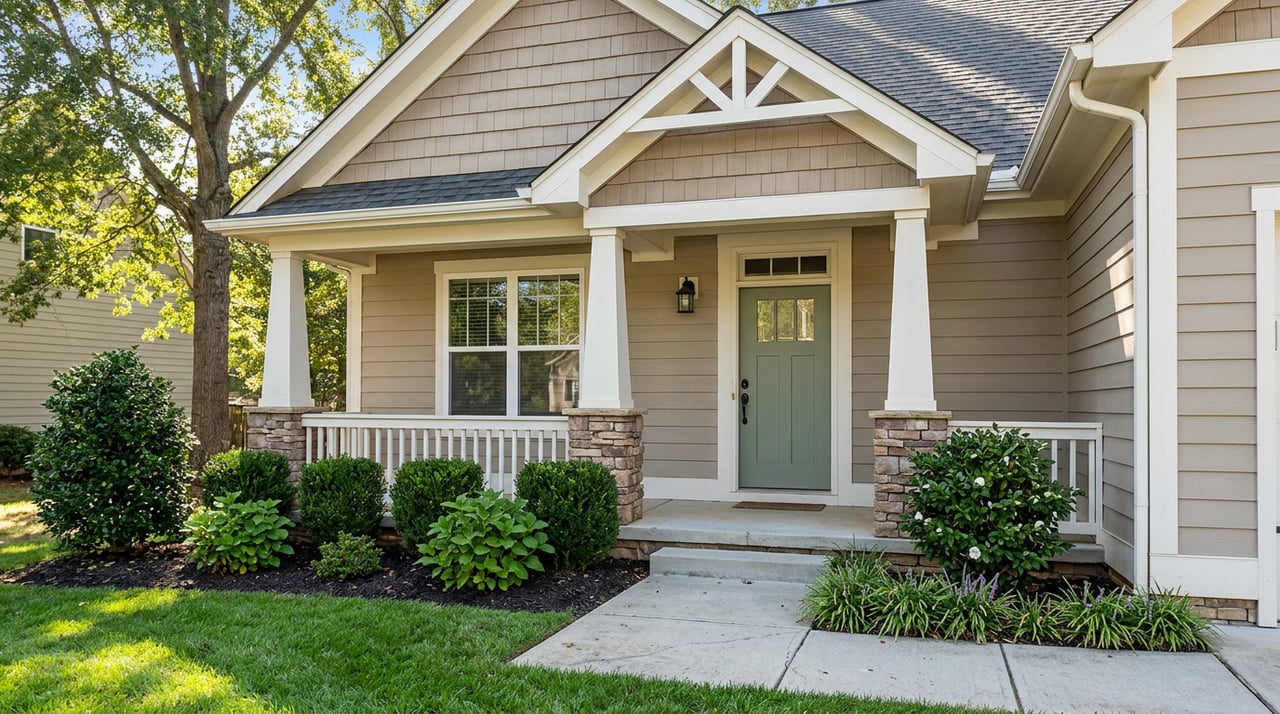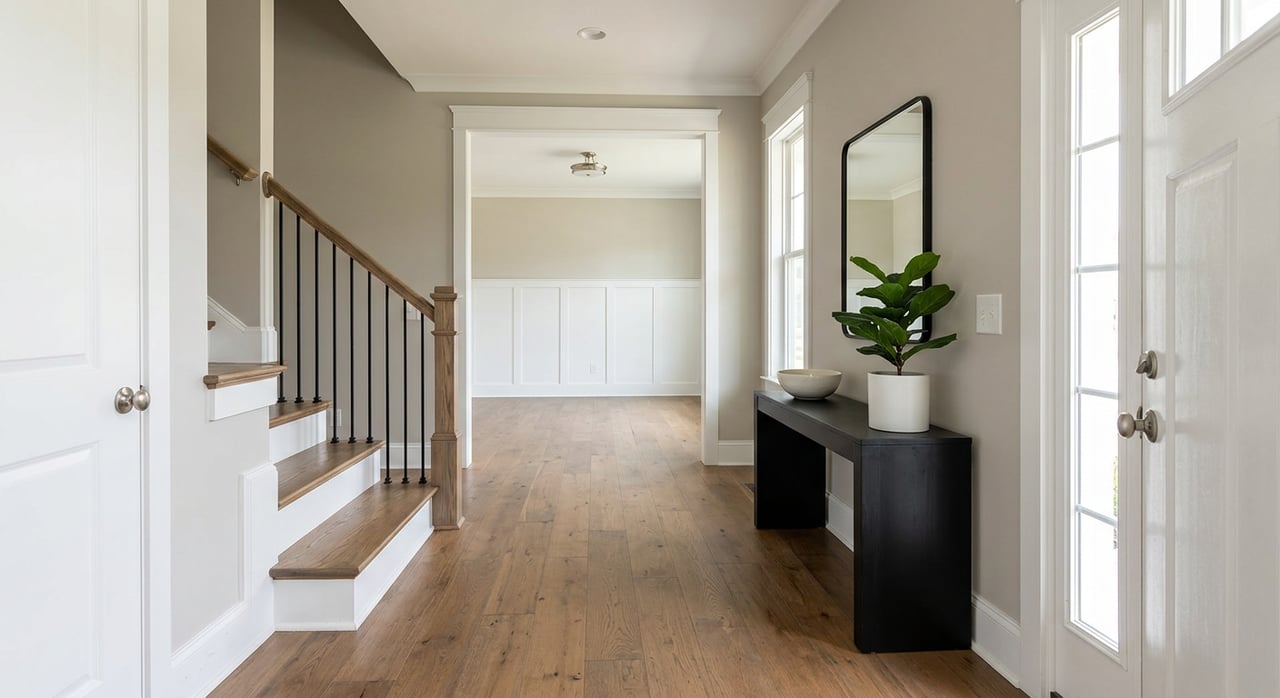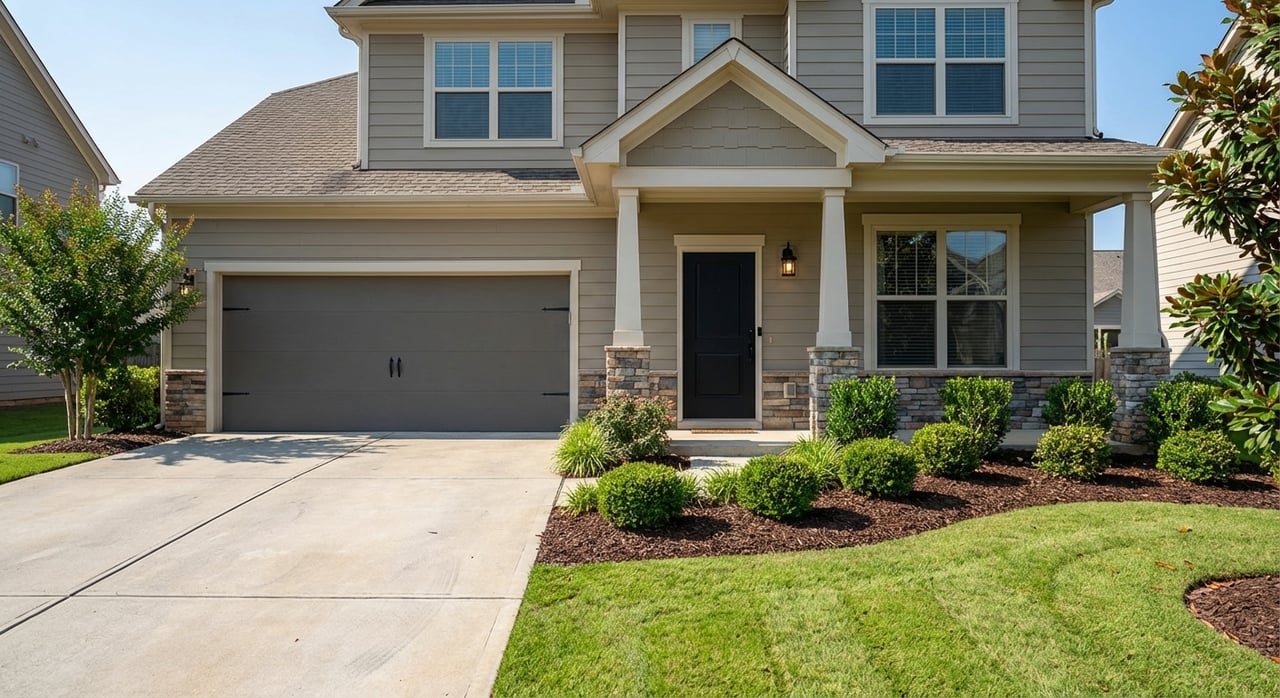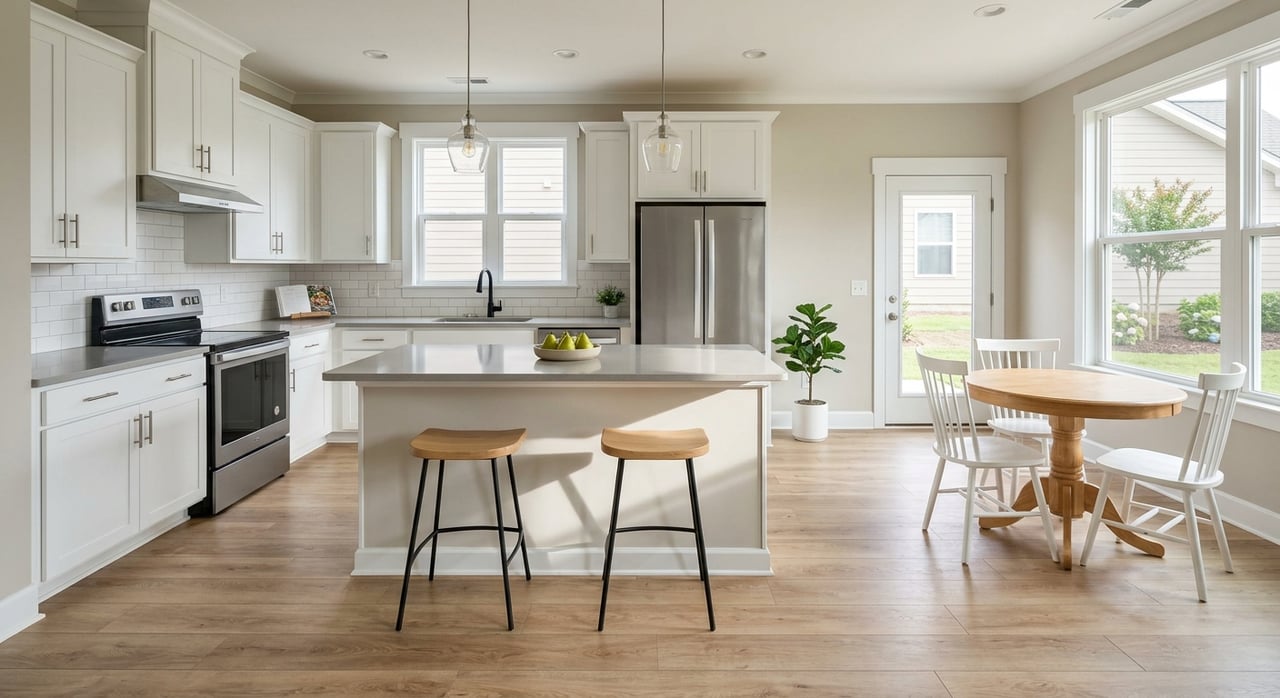
Wondering if buying new construction in Greenville means settling for cookie-cutter finishes or paying extra for every stylish detail? You are not alone. Many buyers want a home that feels fresh, functional, and personal without overspending on upgrades that look good in a model home but add little to daily life. The good news is that Greenville gives you real opportunities to buy new and still make smart design choices. Let’s dive in.
Why new construction is a real option in Greenville
If you are considering a newly built home, you are shopping in an active local market. According to Greenville County planning data, the county recorded 2,344 residential new-construction starts in 2024, along with 176 residential new-construction certificates of occupancy in February 2025.
That matters because it means new construction is not a rare niche in Greenville. It is a practical path for buyers who want modern systems, updated layouts, and the chance to choose a home that fits how they actually live.
Start with the floor plan
The easiest way to protect both style and budget is to focus on the layout before you focus on finishes. A beautiful backsplash will not fix a home that feels cramped, awkward, or short on storage.
The National Association of Home Builders reports that buyers strongly prefer open connections between the kitchen, dining area, and family room. Buyers also rank laundry rooms, walk-in pantries, full baths on the main level, and outdoor living areas among the most wanted features.
When you tour a model or spec home, pay attention to how the home moves, not just how it looks. Ask yourself:
- Does the kitchen connect easily to the main living space?
- Is there enough storage for daily life?
- Does the laundry room sit in a practical location?
- Is there a patio, porch, or backyard setup you will actually use?
- Does the plan offer flexible space for work, guests, or hobbies?
A clean, livable layout usually gives you more long-term satisfaction than a long list of trendy upgrades.
Know what builders usually let you change
One of the biggest misconceptions about new construction is that you can customize everything. In many Greenville-area production communities, that is not how the process works.
According to NAHB consumer guidance on production homes, builders often let you choose from a set of floor plans and finish packages. You may also be able to make limited changes, such as swapping a tub for a larger shower or adding a patio, but the flexibility is usually more limited than in a custom build.
That is why it helps to think in layers. First choose the best plan. Then use your upgrade budget on the items that shape the look and feel of the home every day.
Spend your upgrade budget where it shows
If you want style without regret, focus on finishes that are durable, visible, and broadly appealing. Builders commonly offer choices for appliances, countertops, flooring, cabinetry, and fixtures at different price points, according to NAHB.
The smartest upgrades are often the ones that balance appearance and function, such as:
- Hard-surface flooring in main living areas
- Countertops with a clean, timeless look
- Cabinet finishes that feel bright and versatile
- Better lighting in kitchens, entries, and exterior spaces
- A larger shower in the primary bath, if the plan allows
- A patio or porch setup that expands usable living space
These choices help a home feel polished without making it overly specific to your taste.
Avoid over-personalizing the house
A stylish home does not need to be dramatic. In fact, if resale matters to you, highly specialized upgrades can work against you.
NAHB buyer-preference research found that at least 40% of buyers would not want several niche features. That does not mean your home should feel bland. It means you will usually be better served by choosing a neutral, well-edited finish package and adding personality later through furniture, paint, rugs, and decor.
Think of the house itself as the backdrop. Clean lines, practical storage, good light, and durable materials tend to age better than bold trend choices that may feel dated in a few years.
Prioritize energy efficiency and useful upgrades
Style matters, but so does what the home costs to run and maintain. Newer homes often appeal to buyers because of better insulation, more modern systems, and improved efficiency.
In recent NAHB research on home value, homes built after 2020 were valued 19% higher than homes built before 2010. NAHB also found strong buyer demand for ENERGY STAR windows, ENERGY STAR appliances, energy-efficient lighting, and whole-home efficiency features.
If you are deciding between a decorative upgrade and a practical one, it often makes sense to consider the practical option first. Efficient windows, appliances, and lighting can support comfort, operating costs, and resale appeal.
Look for flexible rooms and simple tech
The most stylish homes are often the ones that can adapt. A room that works today and still works three years from now is a smart design choice.
NAHB survey findings on community and home preferences, along with recent Zillow data cited in the research, point to continued interest in home-office space and security-related smart-home features. That makes flexible bonus rooms, quiet nooks, smart locks, alarms, and video doorbells especially useful in a new-construction purchase.
Instead of paying for highly customized built-ins or novelty features, look for a floor plan that gives you options. A flex room, loft, or extra bedroom can serve very different needs over time.
Compare model homes with a sharper eye
Model homes are built to inspire you, and that can be helpful, but they can also blur the line between what is included and what costs extra. When you tour, slow the process down.
Ask for a clear breakdown of:
- Standard features n- Upgrade options
- Lot premiums
- Appliance packages
- Exterior choices
- Incentives currently available
Freddie Mac advises buyers to use their own real estate agent for new construction, ideally someone with experience in builder contracts, timelines, and local communities. That guidance matters because the builder's sales team represents the builder, not you.
Negotiate where builders are more flexible
If you are buying a spec home or a production build, negotiation may look different than it does with a resale home. Builders are often less willing to cut the base price, but they may be more open to incentives.
According to Freddie Mac's new-construction buying tips, builders may offer upgraded flooring, appliances, or closing-cost help instead of reducing the listed price. NAHB's 2025 market data, as cited in the research, also show that incentives remain common nationally.
That means your best opportunity may be to negotiate for value rather than a lower sticker price. Useful requests can include:
- Closing-cost assistance
- Better flooring or countertop packages
- Appliance upgrades
- Blinds or exterior features
- Lot or premium adjustments when available
Understand timing before you commit
A stylish house still needs to close on time. New construction comes with timelines, and those timelines can affect your move, financing, and stress level.
Greenville County notes that permit submissions go through eTrakit and currently have a two- to three-week processing period. While that does not define every builder schedule, it is a reminder that local building timelines involve multiple steps and moving parts.
Freddie Mac recommends that buyers understand the completion date, what happens if that date is missed, and how warranties work for both the structure and individual components. Before you sign, make sure you understand the deadlines in plain language.
Do not skip the inspection
A new home can still have issues. That is why an independent inspection matters, even when the house has never been lived in.
Freddie Mac says buyers should still get a home inspection on new construction, and the Consumer Financial Protection Bureau guidance referenced in the research recommends hiring an independent inspector who is accountable to you. Scheduling that inspection as early as possible can give you more time to address concerns before closing.
This is one of the simplest ways to protect both your investment and your peace of mind.
A simple style strategy for Greenville buyers
If you want the short version, here it is: choose the best floor plan first, keep your finish palette clean and versatile, and spend your money on upgrades that improve daily life.
In practical terms, that often means prioritizing:
- Open kitchen and living flow
- Good storage and pantry space
- Durable flooring
- Energy-efficient windows, appliances, and lighting
- Outdoor living features like patios or porches
- Flexible rooms that can evolve with your needs
- A few well-chosen finish upgrades instead of many niche extras
That approach helps you enjoy the home now while keeping future resale in view.
Buying new construction in Greenville does not have to mean choosing between style and smart decision-making. With the right guidance, you can look past the model-home sparkle, focus on the features that truly matter, and end up with a home that feels current, functional, and easy to live in. If you want a design-aware partner to help you compare builders, evaluate upgrades, and negotiate with clarity, connect with Jeff Brockelman.
FAQs
What should you prioritize when buying new construction in Greenville?
- Start with the floor plan, storage, and everyday function, then spend your upgrade budget on durable finishes, energy efficiency, and useful outdoor living space.
Can you negotiate on a new construction home in Greenville?
- Yes. Builders may be less likely to reduce the base price, but they may offer incentives like closing-cost help or finish upgrades.
Should you get an inspection on a newly built home in Greenville?
- Yes. Independent inspections are still recommended on new construction so you can catch issues before closing.
Are new construction homes in Greenville customizable?
- Often, but within limits. Production builders usually offer a menu of plans, finish packages, and some limited changes rather than full custom design.
What upgrades are most worth it in a Greenville new build?
- Commonly worthwhile choices include hard-surface flooring, energy-efficient windows or appliances, practical lighting, outdoor living features, and finishes that are timeless and easy to maintain.