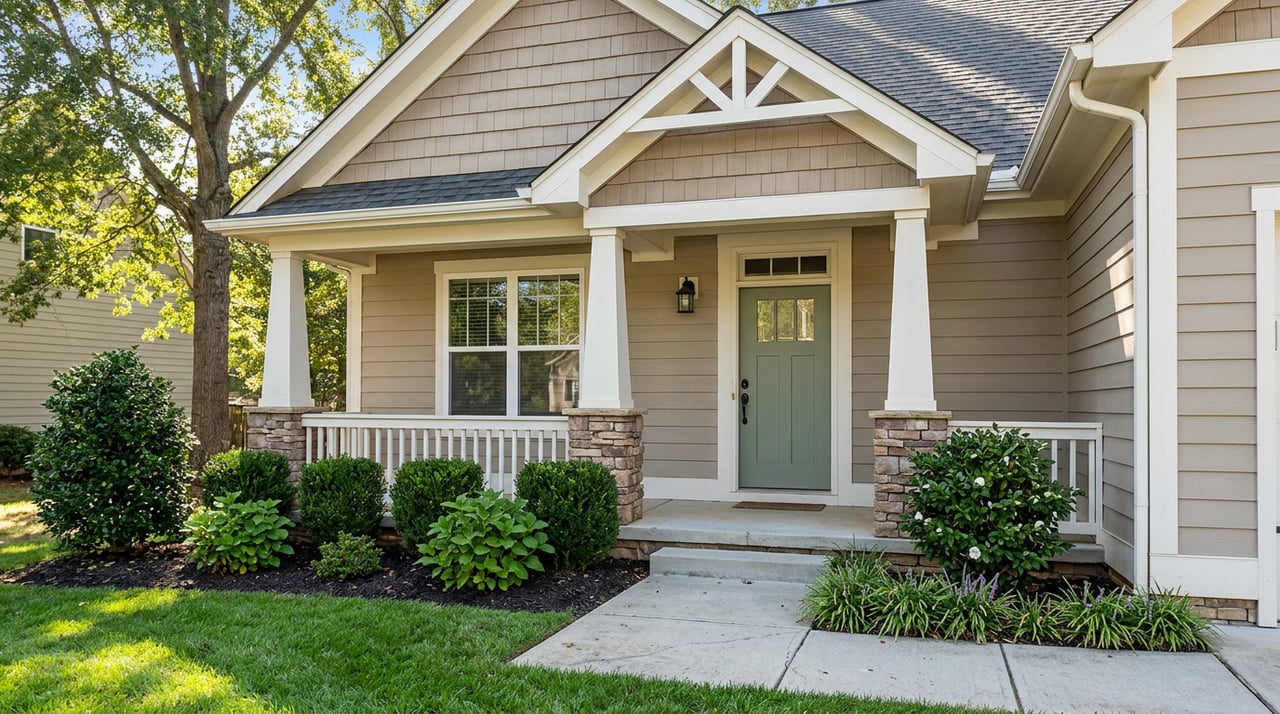
If you shop with your eyes first, Greenville gives you plenty to love. Historic streets, creative lofts, and modern condos sit within minutes of the Reedy River, each with its own texture and rhythm. You want character that feels intentional and room to make it yours. In this guide, you’ll learn which Greenville neighborhoods deliver on design, what rules shape renovations, and the quick checks that help you pick the right block. Let’s dive in.
What design buyers find in Greenville
Greenville’s in‑town neighborhoods showcase a mix of late‑19th and early‑20th‑century styles, including Victorian, Queen Anne, Colonial Revival, Craftsman, and American Foursquare, along with select mid‑century and contemporary infill recorded in the city’s architectural survey. These patterns shape rooflines, porch depth, window rhythms, and the mature tree canopy that many buyers prize for curb appeal and walkability. You get historic charm with the possibility of updated interiors that fit today’s lifestyle. The city’s architectural inventory and guidelines outline these character elements clearly.
Inside historic homes, you often see hardwood floors, plaster walls, built‑ins, and period fireplaces. Many buyers want to pair those details with open kitchens, larger islands, and better natural light. National trend data shows open plans, high‑quality countertops, and integrated smart appliances rank among the most requested upgrades, which often guide the budget and scope for Greenville remodels. See how these choices line up in the latest Houzz kitchen trends study.
How rules shape your plans
Several Greenville neighborhoods sit within local Preservation Overlay Districts. Exterior changes in these areas typically require design review to keep new work compatible with established massing, materials, and setbacks. That preserves curb appeal and streetscape quality, though it can lengthen approvals for additions or façade updates. Start by confirming district status on the City of Greenville’s historic districts page.
If you plan exterior changes, ask about the Certificate of Appropriateness process and typical review timelines with the city’s Design Review Board Neighborhood Panel. The city outlines meeting schedules and submittal needs for that process on the Design Review Board page. On the plus side, Greenville also offers special tax assessments for qualified rehabilitations, which can help offset major renovation costs on eligible properties. Program context appears in the city’s design and preservation guidance.
Greenville neighborhoods guide
Downtown and West End
- Architecture & vibe: Restored commercial buildings with preserved façades, new condos, and a highly walkable core anchored by Falls Park and the Liberty Bridge. The riverfront setting and public realm are central to the area’s appeal. Explore the setting at Falls Park on the Reedy.
- Who it suits: Buyers who want modern urban living, large windows, and proximity to dining, galleries, and the Swamp Rabbit corridor.
- Renovation note: Interior updates are common. Exterior changes on historic Main Street parcels can be regulated, so verify status before planning façade work.
- Quick tour cues: Check sightlines to the river, ceiling heights, window sizes for natural light, and whether terraces or balconies are private.
Village of West Greenville
- Architecture & vibe: A creative district with loft conversions, galleries, and small‑scale manufacturing spaces. Expect brick, tall windows, and flexible interiors. Local coverage details how owners are shaping the district’s identity in the arts‑focused Village.
- Who it suits: Buyers drawn to industrial or minimalist palettes who want open volumes and studio‑like layouts.
- Renovation note: Many conversions preserve exterior masonry and upgrade mechanical systems for residential use. Confirm window and beam condition.
- Quick tour cues: Inspect original timbers, window sash condition, and the age and capacity of HVAC and electrical systems.
Hampton‑Pinckney
- Architecture & vibe: One of Greenville’s oldest trolley suburbs with Victorian detail, dormers, and Craftsman bungalows. Front porches and consistent setbacks create strong curb appeal.
- Who it suits: Buyers who want ornate millwork, decorative trim, and a lively front‑porch culture.
- Renovation note: Interiors are adaptable, but exterior alterations must follow local design guidelines within the district and go through review.
- Quick tour cues: Identify original elements you want to keep, such as mantels and floors. If planning exterior changes, discuss expected review steps early.
Pettigru Street Historic District
- Architecture & vibe: A large, tree‑lined district east of downtown with Queen Anne, Colonial Revival, and Craftsman homes built between 1890 and 1930. The streetscape remains notably intact, which supports long‑term visual quality. See the National Register nomination for a fuller history.
- Who it suits: Buyers who want varied period architecture and the option to modernize interiors while respecting classic façades.
- Renovation note: Local overlay rules apply in parts of the area. Verify what is allowed for exterior work.
- Quick tour cues: Note window sizes, porch depth, and lot orientation to plan a rear addition or kitchen expansion without harming the façade.
Overbrook
- Architecture & vibe: An early‑20th‑century trolley suburb with bungalows and foursquares. The local preservation overlay helps keep the streetscape consistent.
- Who it suits: Buyers who want human‑scale lots, cozy proportions, and historic details that still allow interior updates.
- Renovation note: Rear additions are typical. Expect review for front‑facing changes within the overlay.
- Quick tour cues: Evaluate attic and roof space for dormers, and check original flooring for refinishing potential.
North Main
- Architecture & vibe: Leafy residential corridors just north of downtown, with restored period homes and selective infill. Streetscape work supports a pedestrian feel.
- Who it suits: Buyers who value mature trees, sidewalks, and a mix of bungalows and Victorian‑era details with convenient access to Main Street.
- Renovation note: Many homes have been sensitively updated. New infill exists on side streets, so assess how nearby additions affect privacy and light.
- Quick tour cues: Step outside to study sidewalk continuity, tree canopy, and neighboring additions that may influence views.
Augusta Road and Alta Vista
- Architecture & vibe: A long historic corridor with boutique retail and nearby early‑20th‑century residential pockets. Alta Vista features stately homes, mature trees, and park proximity documented in local history resources. Learn more about the corridor’s background in this Greenville County Historical Society entry.
- Who it suits: Buyers seeking larger lots, classic Southern architectural references, and a quieter, park‑adjacent feel near Augusta Road amenities.
- Renovation note: Many homes have already been renovated to a high standard. Confirm status for any landmarked properties before exterior changes.
- Quick tour cues: Check lot topography and driveway placement. Note whether a detached garage or carriage structure can support your plans.
Before you tour: a smart shortlist
- Confirm whether a property sits in a Preservation Overlay or local historic district and review any past exterior approvals. Start with the city’s historic districts page.
- Scan listing photos and floor plans for ceiling height, window size, and whether the kitchen opens to living areas. These features often drive budgets, according to the Houzz 2024 Kitchen Trends study.
- Look up nearby redevelopment or adaptive‑reuse projects that might change privacy or scale on the block. Local reporting on the Village of West Greenville is a good bellwether for change.
- Ask about permitting timelines for exterior work inside versus outside an overlay. Review forms and past permit activity through the city’s Permits and Applications center.
On the tour: design checks
- Curb appeal and streetscape: Look for porch depth, consistent setbacks, sidewalks, retaining walls, and mature street trees. These set the tone for the block.
- Plan and flow: Identify any load‑bearing walls that could limit an open kitchen or primary suite plan.
- Light and openings: Note window sizes, ceiling heights, and orientation. Bigger windows and more height can make compact plans feel larger.
- Original details versus cost: Assess floors, trim, doors, and staircases. Refinishing or restoring is often more cost‑effective than replacement.
- Systems and envelope: Check HVAC age, water heater, roof condition, and window types. These items affect both comfort and upgrade options.
- Exterior constraints: In an overlay district, confirm which elements are protected before assuming you can change siding, porches, or window types.
Why shop with a design‑savvy team
You deserve an agent who can see what a home could become and guide you through the fine print that protects Greenville’s character. With a designer’s eye, you can weigh what to keep, what to edit, and how to get approvals without losing momentum. If you want a curated shortlist, plan ideas for kitchens and baths, or help navigating permits and timelines, let’s talk.
Ready to tour the right Greenville streets for your style? Book a Consultation with Jeff Brockelman for a design‑forward plan that fits your budget and timeline.
FAQs
What makes Greenville good for design‑conscious buyers?
- Historic streetscapes, creative loft conversions, and modern condos sit close together, giving you varied architecture and renovation paths in one compact market.
How do Preservation Overlay Districts affect renovations in Greenville?
- Exterior work in these districts typically requires design review to keep projects compatible with neighborhood character, while interior updates are usually easier.
Which Greenville neighborhoods offer industrial loft vibes?
- The Village of West Greenville and parts of the West End feature adaptive‑reuse buildings with brick walls, tall windows, and flexible open plans.
What should I look for when touring a historic home?
- Check structure and systems first, then window sizes, ceiling heights, natural light, and original details like floors and trim that you may want to preserve.
Are there financial incentives for renovating a historic Greenville home?
- Eligible historic rehabilitations can qualify for special tax assessments that help manage costs, so ask about program fit during due diligence.
How can a local agent help a design‑focused search?
- A design‑savvy agent can pre‑screen blocks, flag regulatory steps, suggest smart upgrades, and build a timeline that aligns with permits and contractors.