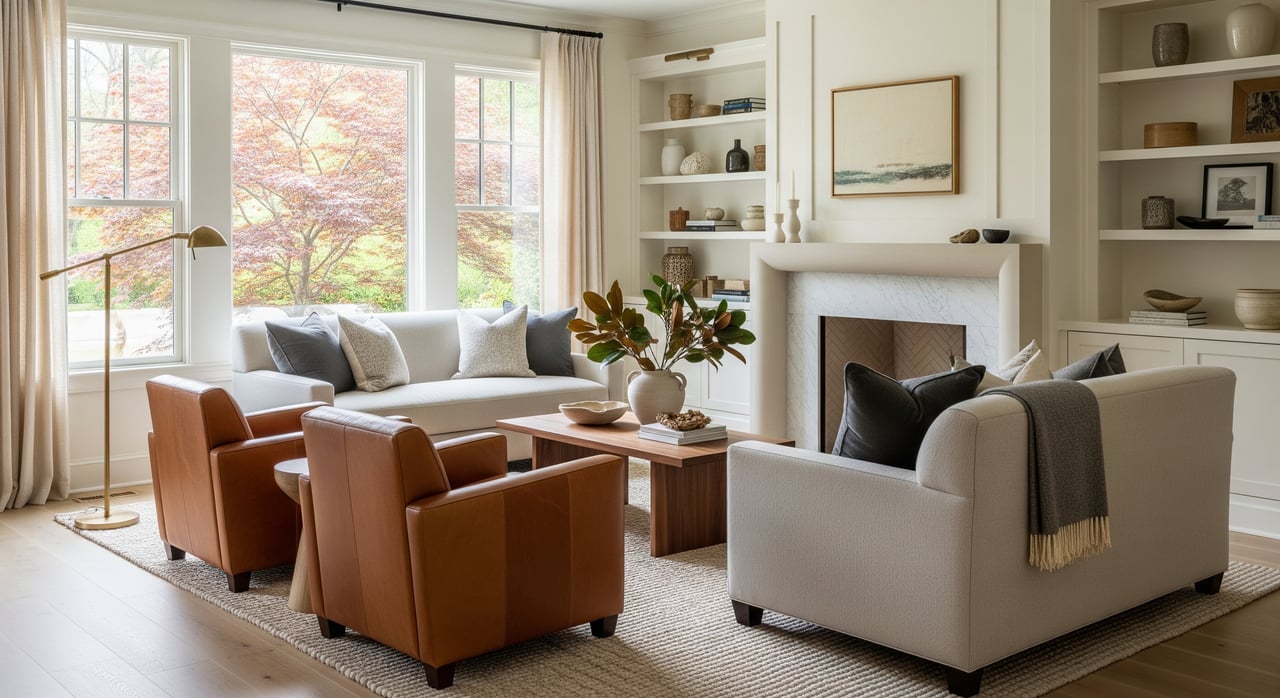
Thinking about selling your Greenville home and wondering which fixes will actually move the needle? You are not alone. Buyers here want move-in ready spaces that feel warm, flexible, and easy to imagine as their own. In this guide, you will learn exactly which staging and pre-listing updates tend to deliver the strongest results for typical Greenville homes, plus what to skip and how to plan your timeline and budget. Let’s dive in.
Why staging pays in Greenville
Greenville buyers span young professionals, relocating families, and retirees. Across price points, they respond to clean, bright spaces, practical layouts, and outdoor living. Staging that highlights a home office nook, an inviting living room, and a simple patio setup helps people visualize daily life.
Vacant homes, older interiors, and unusual layouts benefit most from staging. Even updated homes gain from better lighting, smart furniture placement, and professional photos. The consistent payoff you can expect is more attention online and faster showings, with exact price lift and timing varying by market conditions and nearby comps.
Start with the highest-impact fixes
Declutter and deep clean
Clear surfaces and floor space so rooms feel larger and well cared for. Remove roughly half of small decor, hide paperwork, and use short-term storage if needed. Clean like a pro before photos.
- Cost range: $0–$300 for storage
- Typical time: 1–3 days
Neutral, fresh paint
A warm-neutral palette refreshes spaces and hides wear. Prioritize main living areas, kitchen, primary bedroom, and trim.
- Cost range: DIY touchups $200–$800; professional main areas $1,200–$3,500
- Typical time: 2–7 days
Lighting improvements
Bright, consistent light lifts mood and photos. Replace low-watt bulbs with warm LEDs, add lamps to dark corners, and update a few dated fixtures in the entry or kitchen if budget allows.
- Cost range: $50–$800
- Typical time: 1–2 days
Professional photography and a virtual tour
Most buyers start online, including relocators exploring Greenville from afar. Book photos after you finish decluttering, painting, and lighting updates. Consider a twilight exterior to spotlight curb appeal.
- Cost range: $150–$500
- Typical time: 1–3 days to schedule and shoot
Furniture layout and partial staging
Use the right scale and layout to clarify function and flow. Remove bulky pieces, open walkways, and add a few neutral accessories. A professional consult can focus your effort fast.
- Cost range: Free to $300 for small rentals; consult $150–$600
- Typical time: 1–2 days
Curb appeal essentials
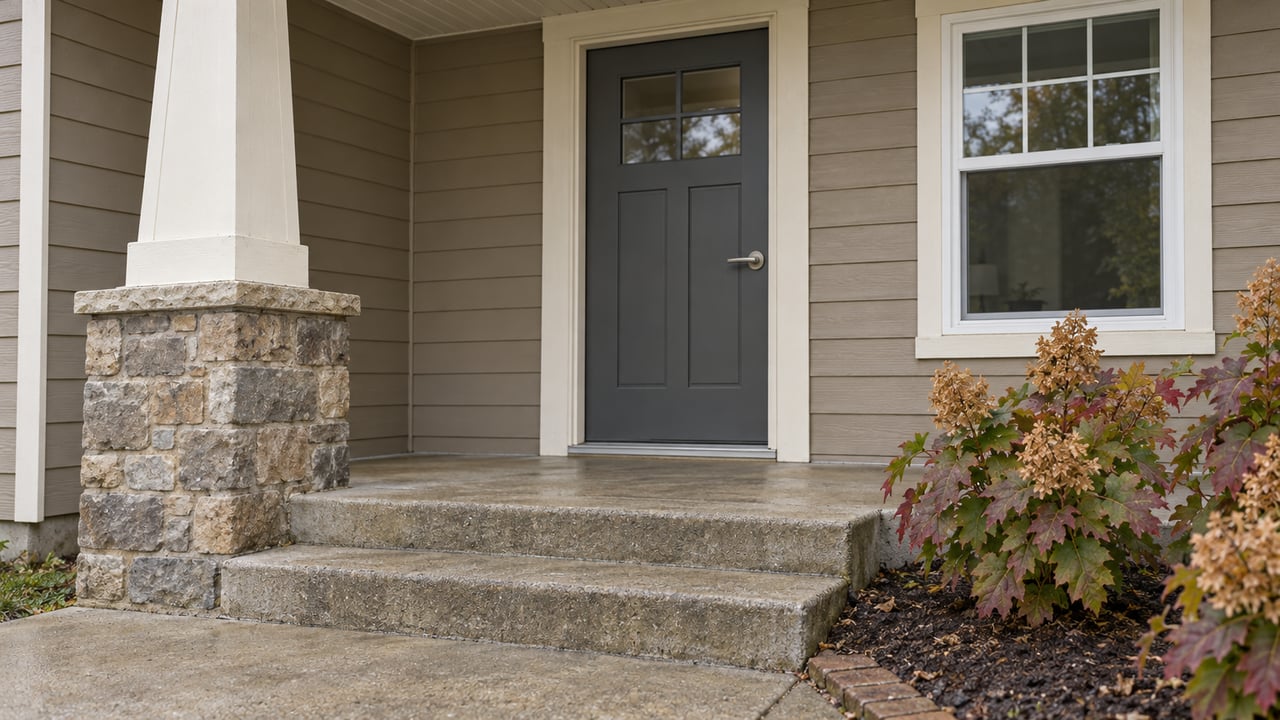
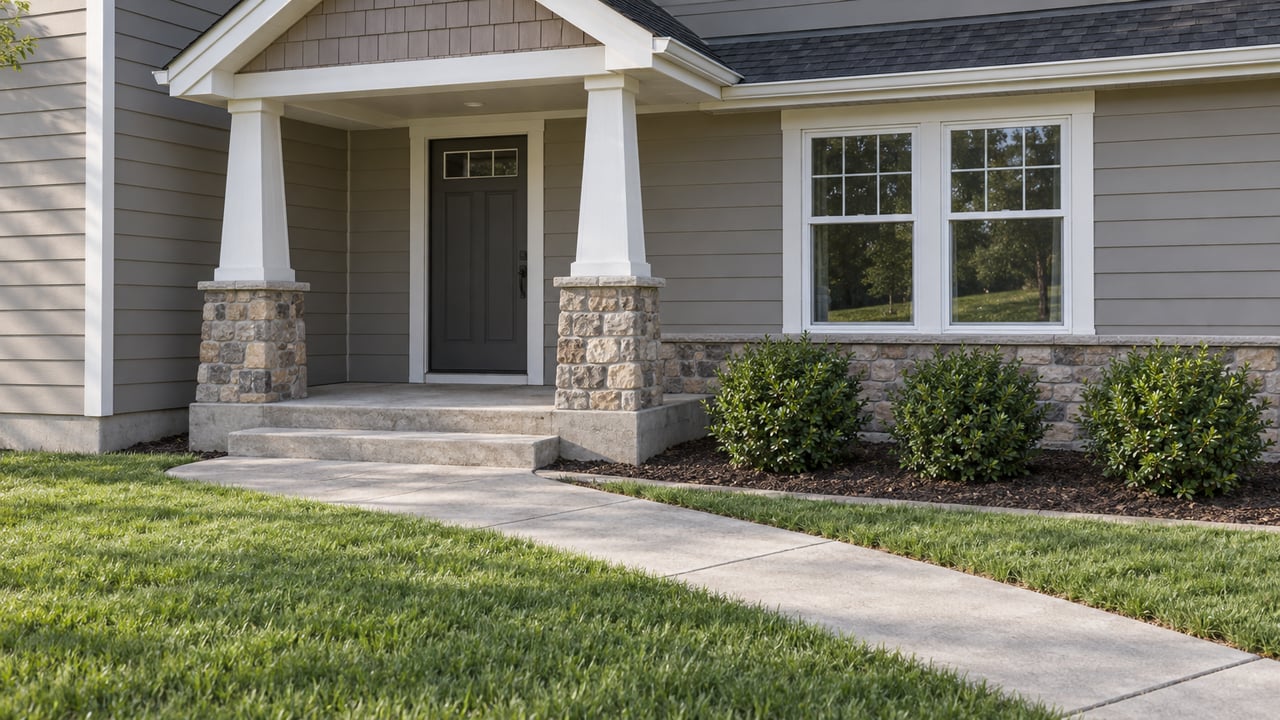
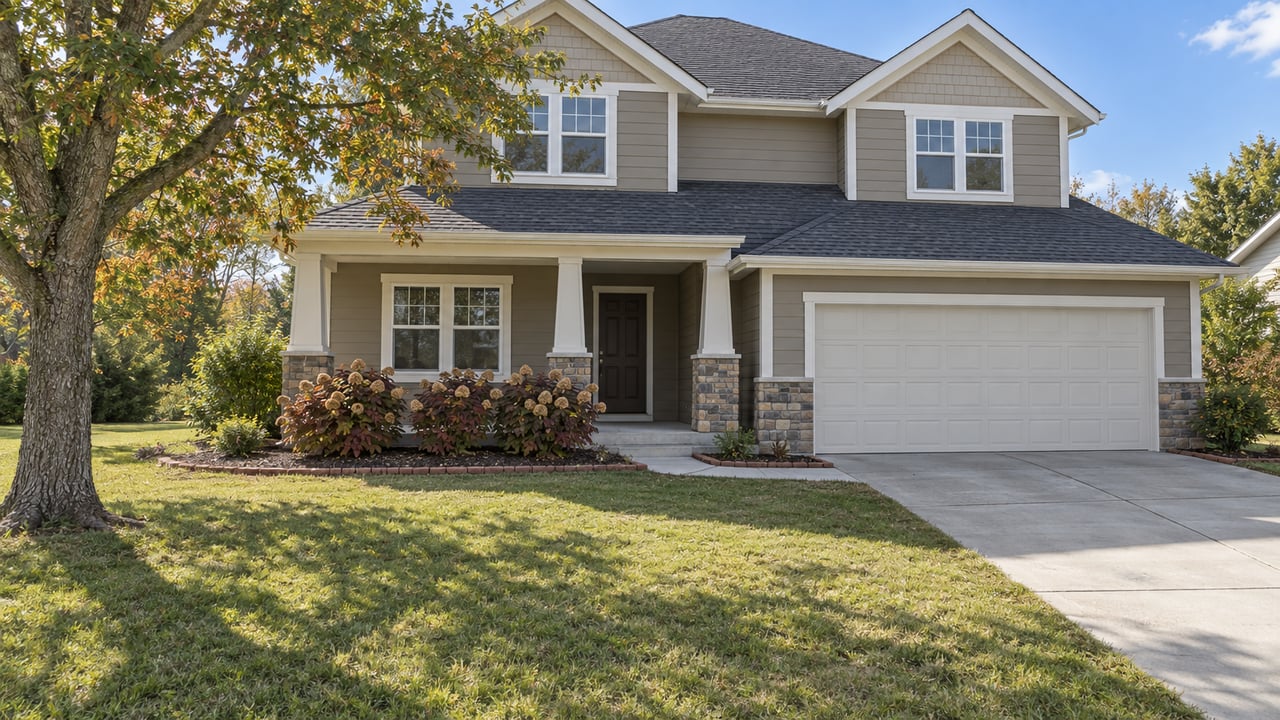
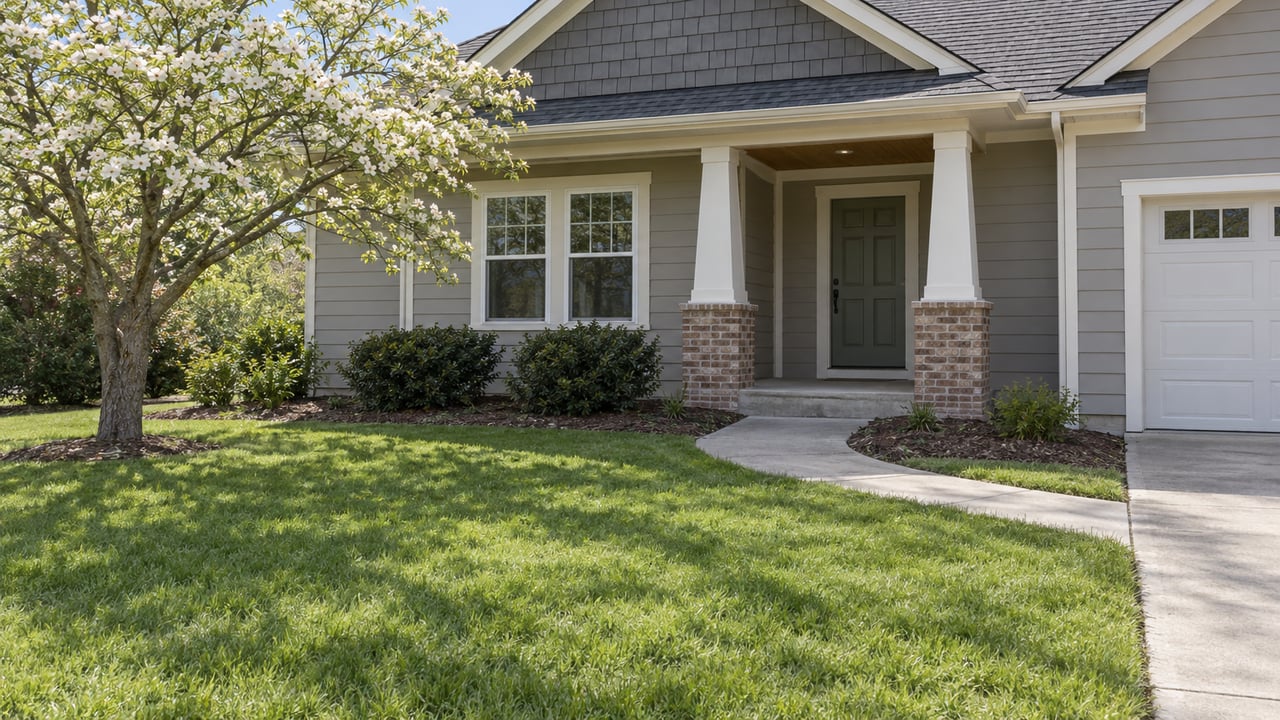
First impressions happen at the curb and in your cover photo. Mow, edge, mulch, and add seasonal color. Clean the driveway and porch, touch up trim, and paint or polish the front door.
- Cost range: $100–$2,500
- Typical time: 1–7 days
Kitchen and primary bath cosmetics
Small, visible updates go a long way. Swap dated hardware, refresh caulk and grout, update a faucet or two, and consider painting cabinets if finish wear is obvious. Keep counters clutter-free.
- Cost range: $300–$3,500
- Typical time: 1–7 days
Minor repairs and maintenance
Loose handles, squeaky hinges, slow drains, and chipped tile signal bigger concerns. Knock out the punch list to build buyer confidence and reduce negotiation pressure.
- Cost range: $50–$1,500
- Typical time: 1–7 days
Depersonalize and add neutral accessories
Remove strong scents, personal photos, and bold memorabilia. Use simple art, soft textiles, and plants to make rooms feel calm and inviting.
- Cost range: $0–$500
- Typical time: 1–2 days
Stage outdoor living cues
Greenville buyers value porches and patios. Add a small seating area, outdoor rug, and potted plants. Clean and repair deck surfaces.
- Cost range: $100–$2,000
- Typical time: 1–5 days
What to skip before listing
Major kitchen or full bath remodels
Big projects often exceed the quick return you need before a sale. Consider them only if neighborhood comps clearly demand it or your current layout is functionally obsolete.
Structural additions
Additions bring permits, time, and cost. They rarely pencil out within a pre-listing window unless they move the home into a higher comparable band.
High-cost custom finishes
Taste-specific built-ins and bespoke details can limit appeal. Choose neutral, broadly appealing materials instead.
Over-investing in landscaping
Curb appeal matters, but very expensive hardscaping or large tree work before listing rarely returns dollar for dollar in the short term.
Whole-home smart systems
Buyers often prefer their own devices. If you want a tech touch, keep it simple with a thermostat or doorbell camera and focus your budget on presentation.
A two-week staging plan
Use this quick, priority-driven schedule for a typical mid-market Greenville home.
- Days 1–2: Walkthrough, prioritize quick wins, book photographer and stager consult.
- Days 2–6: Declutter and deep clean; paint touchups or selected room repaint; lighting upgrades; minor kitchen and bath cosmetics; curb tidy.
- Days 6–10: Furniture layout and accessories; finalize curb appeal; professional photos and virtual tour.
- Days 10–14: Final walkthrough, open-house prep, lockbox and sign placement.
Sample budgets that make sense
Actual costs vary by home and vendors, but these ranges help you plan.
- Declutter and clean: $0–$500
- Paint selected rooms: $1,200–$3,500
- Lighting and fixtures: $50–$800
- Minor kitchen and bath updates: $300–$3,000
- Curb appeal: $100–$1,500
- Professional photography: $150–$500
- Staging consult and small rentals: $150–$4,000
Many sellers fall between $1,500 and $8,000, depending on paint scope and whether furniture rental is needed.
Vacant homes vs. occupied
Vacant homes photograph flat and can feel smaller than they are. Full staging or well-executed virtual staging helps buyers read scale and function. Rental pricing varies by house size and rooms staged, so get local quotes. If you are still living in the home, focus on layout clarity, traffic flow, and minimal, neutral styling.
Greenville-specific tips
- Align with neighborhood expectations. Check recent comps to see which cosmetic level sells fast nearby.
- Consider seasonality. Spring and fall often bring strong curb appeal and buyer activity, but good staging works year-round.
- Use local pros. A Greenville-based photographer and stager know how to light Southern exposures and capture porches and yards.
- Know permits. Cosmetic updates usually do not need permits, while structural, electrical, or plumbing changes do. Verify with Greenville County before starting larger work.
- Start simple if budget is tight. Declutter, deep clean, update bulbs, and invest in pro photos. These are high-impact first steps.
Measure what matters
Track how your staging choices perform against similar listings.
- Days on market
- Number of showings and show-to-offer rate
- List-to-sale price ratio
- Number of offers and contingencies
- Feedback from buyer agents
Ready to list with confidence?
If you want a clear, design-first plan tailored to your home, we can help you focus on the updates that matter and skip the ones that do not. For a proposal-led consultation and hands-on staging guidance, connect with Jeff Brockelman. We will create a focused roadmap so you can list with confidence.
FAQs
What are the most cost-effective staging updates for a Greenville home?
- Decluttering and cleaning, fresh neutral paint in key rooms, lighting upgrades, curb appeal touchups, and professional photography typically deliver the strongest early impact.
Should I repaint before selling my house in Greenville?
- Yes if walls show wear or bold colors; a warm-neutral repaint in main areas helps buyers visualize their belongings and freshens photos.
Is professional staging worth it for a vacant Greenville property?
- Vacant rooms are hard to read online; full or virtual staging helps buyers understand scale and function, which can speed showings and interest.
How long does a pre-listing refresh usually take?
- Many sellers can complete high-impact updates in about 7 to 14 days when they follow a focused plan and book vendors early.
Which pre-listing projects should I avoid?
- Major remodels, structural additions, high-cost custom finishes, and extensive landscaping rarely return quickly before a sale unless clearly required by neighborhood comps.