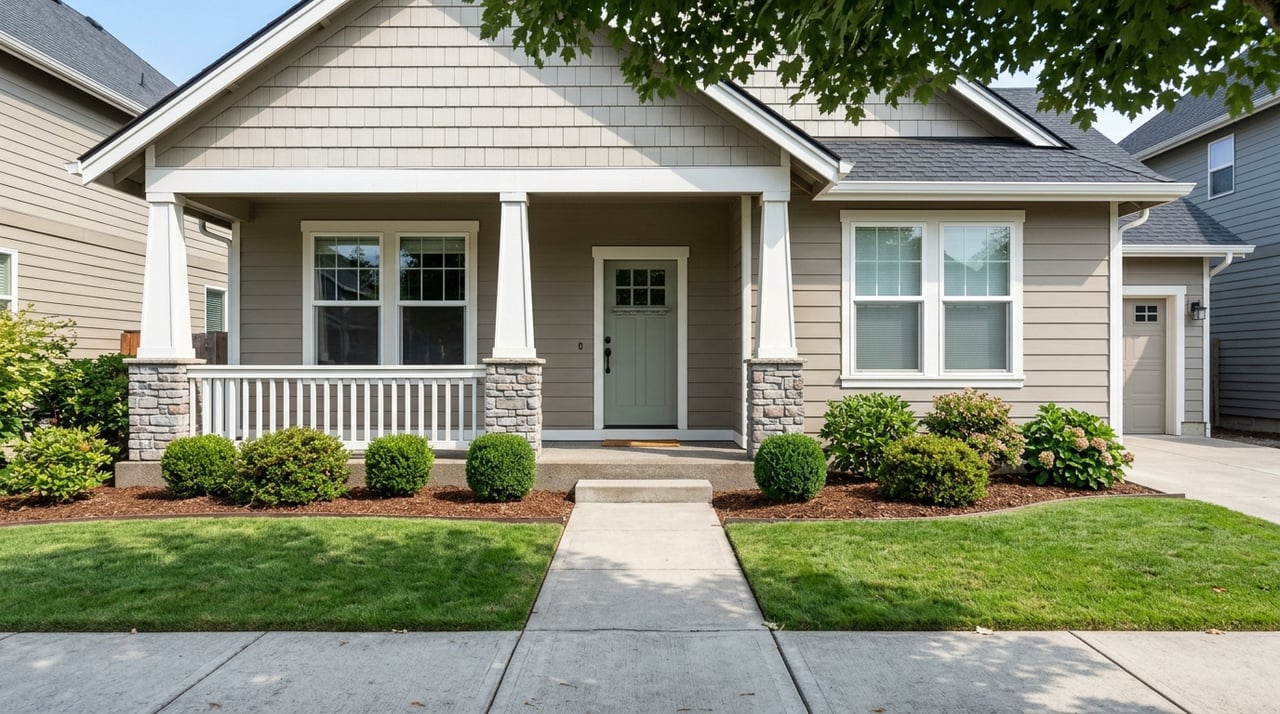
Wondering what everyday life in Greer, South Carolina actually feels like once the moving boxes are unpacked? That is often the real question behind a home search, because you are not just choosing a house. You are choosing your coffee run, your commute, your weekend rhythm, and the places you will return to again and again. If you are exploring Greer neighborhoods, here is a practical look at how daily life tends to unfold across the city. Let’s dive in.
Why Greer Feels So Livable
Greer’s appeal starts with location. The city sits between Greenville and Spartanburg in the foothills of the Blue Ridge and is close to I-85 plus Highways 29, 101, and 14. Greenville-Spartanburg International Airport is just outside city limits, and the city says the airport offers more than 50 nonstop flights a day.
That setup shapes daily life in a big way. In most parts of Greer, you will likely rely on your car for work, school, errands, and appointments. At the same time, downtown Greer gives you a more compact setting where you can park once, walk around, and stay awhile.
Getting Around in Greer
If you are comparing Greer neighborhoods, commute style can change a lot from one area to another. Some parts of town feel more centered on parks and neighborhood routines, while others make it easier to get to I-85, the airport, or major employment areas. That difference matters when you are deciding what kind of day-to-day flow fits you best.
The city’s patrol geography helps paint that picture. Northern areas include places like Greer Golf, Country Club Park, Wards Creek Park, and Greer City Park. The south side reaches toward I-85 and includes Century Park and Greer Memorial Hospital, while the east and south edge includes BMW, GSP, downtown historical homes, and newer residential areas along I-85.
Downtown Is Easier on Foot
Once you are downtown, Greer becomes easier to enjoy without constantly moving your car. Greer Station offers on-street parking, public lots, a parking garage, and a fixed-route shuttle with stops at public parking areas and City Hall.
That makes simple outings feel more relaxed. You can meet for coffee, browse downtown, have dinner, or catch an event without worrying as much about hopping from one parking spot to another. For many buyers, that walkable pocket is part of what gives Greer its personality.
Parks Shape the Weekly Routine
One of the clearest signs of everyday life in Greer is how often parks show up in the routine. The city says it has 21 parks and 412 acres of green space. That means outdoor time is not limited to one big destination across town.
Instead, parks function as regular gathering places. Whether you want a playground stop, a walk after dinner, or a place to stretch out on a Saturday, Greer gives you several options woven into daily life.
Greer City Park Anchors Events
Greer City Park is at the center of the city’s event calendar. Annual events tied to the park include Tunes in the Park, Moonlight Movies, Greer Goes Global, Freedom Blast, Railfest, and the Christmas Tree Lighting.
This helps explain why some nearby areas feel especially connected to community activity. If you enjoy being close to recurring events and a lively public space, downtown-adjacent neighborhoods may stand out more than areas built primarily around commuting convenience.
Century Park Supports Daily Family Routines
Century Park offers a different kind of everyday value. Kids Planet Playground is a major draw, and the Greenville County Library System added a StoryWalk there so children can read while they walk.
That kind of feature turns a park into more than a once-in-a-while outing. It becomes part of the weekly routine, especially for households looking for easy, repeatable outdoor options close to home.
Greer Golf Adds Another Outdoor Option
Greer Golf is another important part of the local rhythm. It is an 18-hole public course and the city’s largest city-owned recreational property at 160 acres.
For some buyers, access to that kind of open space helps define how a neighborhood feels. Even if you are not golfing every week, large recreational properties can influence the pace, scenery, and overall character of nearby areas.
Neighborhoods Have Different Lifestyle Patterns
A helpful way to think about Greer is by lifestyle rather than by a strict ranking of neighborhoods. Based on the city’s geography, park network, transportation routes, and public spaces, different parts of Greer support different daily patterns.
This is useful when you are house hunting because two homes at a similar price point can offer very different routines once you move in. One may put you near events and walkable stops. Another may make your commute easier or place you closer to newer residential growth.
Downtown and Greer Station
Downtown and Greer Station feel the most walkable and event-focused. Discover Greer describes the district as brick-paved, and more than 40 downtown buildings are listed on the National Register of Historic Places.
In practical terms, this part of town feels compact, historic, and built for lingering. If you picture weekends with coffee, a local event, a museum stop, or dinner without a long drive between stops, this area captures that experience well.
O’Neal Village
O’Neal Village is a strong example of a newer mixed-use neighborhood model in Greer. Its community features include a central park, resort-style pool, amphitheater, pocket parks, a children’s play area, a fitness center, and sidewalks throughout.
That design supports a more built-in neighborhood rhythm. If you like the idea of stepping outside for a walk, using shared amenities, and having outdoor spaces integrated into the layout, this kind of community may feel especially convenient.
Century Park and Country Club Park Areas
The Century Park and Country Club Park side of Greer leans more toward outdoor-oriented daily living. With parks, recreation spaces, and family-friendly programming nearby, this part of town may appeal to buyers who want easy access to play space, walks, and city recreation.
These areas can feel less centered on events and more grounded in repeatable neighborhood routines. That might mean playground visits, library-related activities, or simply having green space close to home.
I-85 and GSP Edge
The I-85 and GSP side of Greer tends to feel more commute- and travel-oriented. With access to major highways, proximity to the airport, and connections to employment hubs, this area can make a lot of sense if your schedule requires regular regional travel or a straightforward drive.
That does not mean it lacks neighborhood appeal. It simply reflects a different priority, with convenience and connectivity playing a bigger role in everyday life.
Coffee, Dinner, and Casual Evenings
Lifestyle is often easiest to picture through the places you visit most often. In Greer, that means coffee shops, dinner spots, and low-key evening destinations that help turn a neighborhood into a routine.
Downtown Greer Station feels different from a standard suburban retail strip. The historic setting, compact layout, and event-friendly design make it easier to build a simple outing around one area rather than driving from place to place.
Local Coffee Stops
Current coffee options include Flying Fox Coffee on Trade Street, Barista Alley downtown and in O’Neal Village, and Little Leaf Coffee at Cartwright Food Hall. These spots give different parts of Greer their own casual meeting places.
For buyers, this matters more than it might seem at first. Small, reliable places for coffee or a quick catch-up often become part of your weekly rhythm and can shape how connected you feel to an area.
Dining That Encourages You to Stay
Greer’s food scene also supports a more relaxed pace. Current examples include Harvest Kitchen on Cannon Street, The Mason Jar on Trade Street, Rick Erwin’s Greer, and White Wine & Butter at Greer Golf.
Together, these reflect a range of options from healthy casual dining to neighborhood bar-and-grill energy, upscale steakhouse meals, and a golf-club setting. Several are the kind of places where you stay a while instead of just picking up takeout and heading home.
Community Spaces Add Texture to Daily Life
Some of the best neighborhood features are not inside a subdivision at all. They are the public places that give your week variety and make the city feel usable in small, everyday ways.
In Greer, those spaces are spread across downtown and nearby civic areas. Major public gathering places include Greer City Park, Greer City Hall, the Cannon Centre, and the Driggers Center for the Arts with its adjacent park.
The Library Is a Real Daily Asset
The Greer Branch of the Greenville County Library System is another meaningful part of everyday life. It includes meeting rooms, a reading garden, a quiet room, and a drive-thru return and hold pickup window.
That makes it useful for more than just checking out books. It can support study time, quiet work, children’s activities, and simple neighborhood meetups that fit easily into your week.
History Is Part of the Routine
Greer also makes it easy to engage with its history in casual ways. The historic walking tour in Greer Station and the Greer Heritage Museum offer low-key weekend options that feel woven into the city rather than set apart from it.
For some buyers, that sense of place matters. It gives the city character and can make everyday outings feel a little more rooted and memorable.
What This Means When You Search for a Home
When you tour Greer neighborhoods, it helps to look beyond square footage and finishes. Pay attention to what your normal Tuesday or Saturday might look like in each area. A home near downtown may support a very different routine than one near I-85 or in a newer amenity-rich neighborhood.
This is where a thoughtful home search can make a real difference. If you know you want better commute access, regular park time, or a neighborhood with built-in outdoor spaces, those preferences can help narrow your search in a more useful way than price alone.
For sellers, this same local context matters too. Buyers are not only comparing bedrooms and lot sizes. They are also imagining convenience, outdoor access, and how connected a home feels to the parts of Greer they will use most often.
If you are thinking about buying or selling in Greer, working with a team that understands both the market and the lifestyle details can help you make a more confident move. Jeff Brockelman brings a practical, design-aware approach to helping you evaluate homes, prepare listings, and find the right fit for how you want to live.
FAQs
What is everyday life like in downtown Greer SC?
- Downtown Greer tends to feel the most walkable and event-focused, with parking options, a fixed-route shuttle, coffee shops, restaurants, historic buildings, and regular events centered around Greer City Park.
Which Greer SC areas feel best for parks and outdoor routines?
- The northern Greer areas and the Century Park and Country Club Park side are closely tied to parks, recreation spaces, and outdoor destinations like Greer City Park, Century Park, Kids Planet, and Greer Golf.
Is Greer SC easy to commute from?
- Greer is well positioned for commuting because it is near I-85 and Highways 29, 101, and 14, with the airport just outside city limits, but most day-to-day travel in the city still tends to be car-based.
What makes O’Neal Village in Greer SC stand out?
- O’Neal Village stands out as a newer mixed-use neighborhood with sidewalks throughout plus amenities like a central park, pool, amphitheater, pocket parks, play area, and fitness center.
Are there regular community events in Greer SC?
- Yes. Greer City Park hosts recurring events such as Tunes in the Park, Moonlight Movies, Greer Goes Global, Freedom Blast, Railfest, and the Christmas Tree Lighting, and the Greer Farmers Market runs Sundays in season from 11 a.m. to 2 p.m.
What should you consider when choosing a Greer SC neighborhood?
- It helps to compare neighborhoods by lifestyle fit, including commute patterns, proximity to parks, access to downtown, neighborhood amenities, and the kind of weekly routine you want your home to support.